
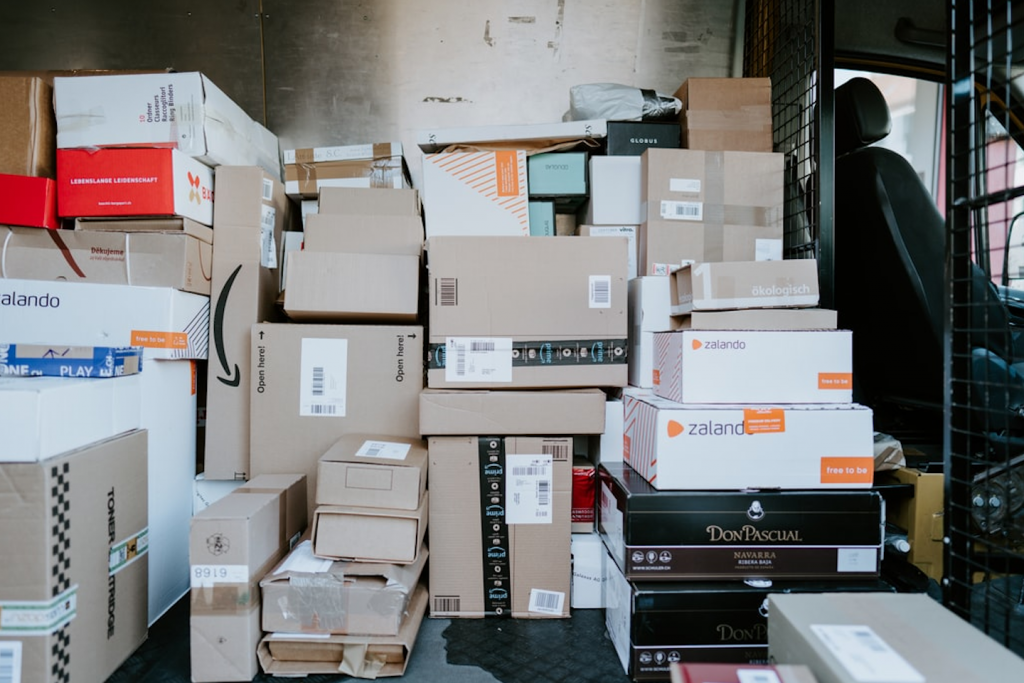
Albina Saar, head of customs office at the Estonian Tax and Customs Board (ETCB), and Eduard Rešetov, head of Omniva’s parcel sorting, are often confronted with cases where both private persons and companies try to send prohibited goods by post from Estonia to Russia or Belarus and vice versa. “For example, from 1 March to 30 June of this year, we have opened 1603 parcels for additional checks and identified violations of sanctions in 113 cases,” Saar said. “In case of less serious violations, the parcel will be returned to the sender, criminal proceedings will be initiated in case of serious violations.”
According to Rešetov, popular goods that people want to ship to these countries include skating boots and blades, diving equipment, electronics, spare parts for cars and motorcycles, as well as brand clothing and accessories worth over 300 euros. “However, if we are talking about the import of sanctioned goods, i.e. goods sent from Russia and Belarus to Estonia, people, either intentionally or unintentionally, try to send to Estonia mostly cosmetic products, such as shampoos, creams and toothpaste; meat; medicines; CD- and vinyl records; mobile phones and other electronics, as well as tobacco products, especially e-liquids and e-cigarettes,” Saar said.
The Estonian Tax and Customs Board has the obligation to supervise the movement of parcels and, in cooperation with Omniva, to prevent the transport of prohibited goods, including goods subject to sanctions. “If there is something prohibited in a parcel, it is quite certain that we will find it,” Saar said, adding that parcels, the contents of which can help Russia continue its military activities in Ukraine, are taken particularly seriously.
However, in order for parcel shipment to go smoothly and to avoid worrying about possible consequences, Saar and Rešetov suggest the following.
- Before sending a parcel to Russia or Belarus, make sure that the contents of the parcel do not fall within the scope of prohibited goods. You can check this on the website of the ETCB.
- The above advice is valid if you want to send a parcel to Estonia as well. The goods in the parcel must be allowed to be delivered to the EU.
- Note that in addition to Russia and Belarus, trade with Ukrainian regions not under the control of the Ukrainian government has also been sanctioned. You can find information about the regions of Ukraine where it is possible to send a parcel on the website of Omniva.
- If you are going to send a parcel to Russia or Belarus, bring out as much details as possible on the customs form received from Omniva. If you have trouble with the explanation or wish to clarify something, feel free to contact Omniva’s postal workers, because if you submit incomplete or incorrect information, the delivery of the parcel may be delayed for longer than expected. All parcels with erroneous descriptions are subject to additional customs control and are opened.
- All parcels arriving in Estonia from outside the EU must be declared, including gifts, regardless of their value. This can be done in the ETCB’s e-services environment e-MTA.
- Instructions on how to declare postal parcels can be found on the website of the ETCB.
- A customs declaration may be made on behalf of a person by the postal or courier service provider indicated on the notification of the parcel or by a customs agency.

