According to Ülle Viisak, Development Specialist at the ETCB's Prohibitions and Restrictions Unit, the increase in detected counterfeit goods is primarily due to commercial shipments of counterfeit products. “Over the past couple of years, we have seen an increase in incoming counterfeit goods, particularly in larger consignments. For example, we have seized shipments ordered by several companies in which we found counterfeit products. The most common items have been toys, clothing and footwear,” said Viisak.
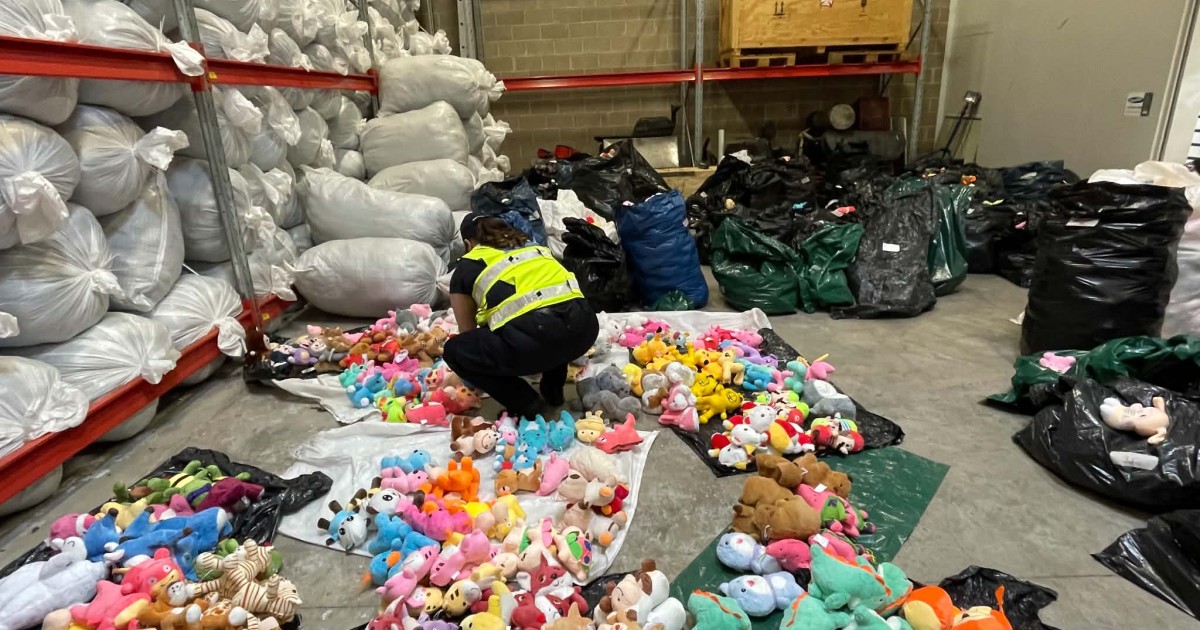
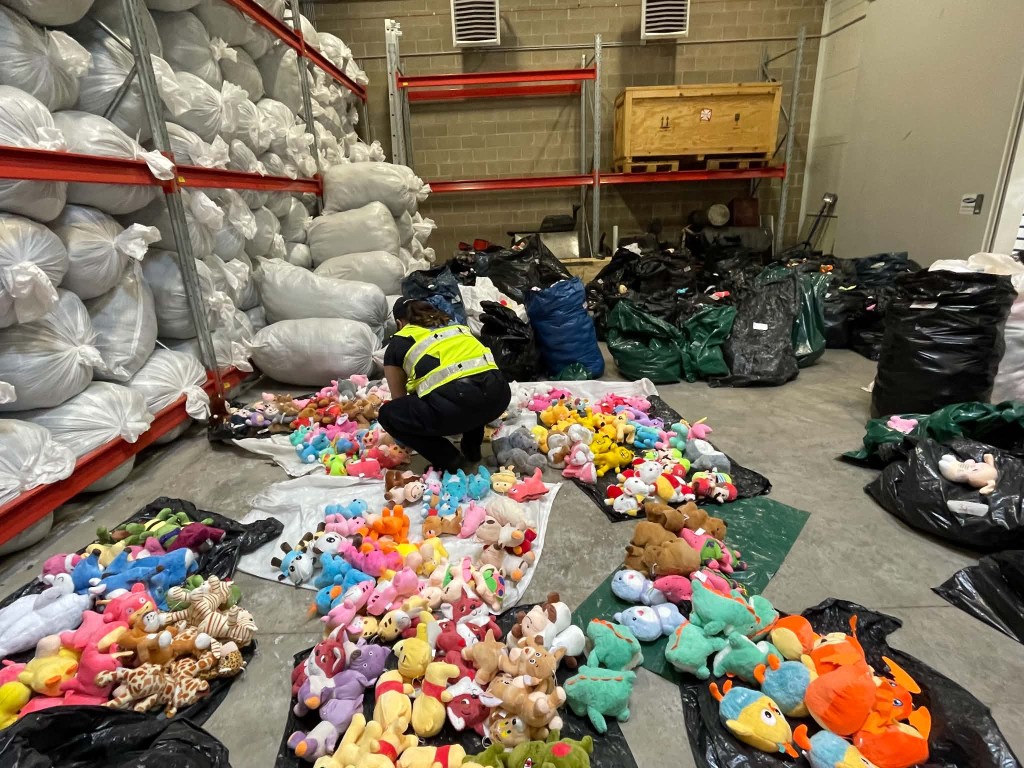
This year, the ETCB has seized several large consignments of counterfeit goods. These include 492 pairs of luxury-brand shoes, 802 children's construction toy sets, 2,400 pairs of knee-high socks and 1,200 pairs of socks bearing well-known brand names. The largest seizure so far this year was made at the Luhamaa customs checkpoint, where officers seized as many as 13,428 toys. Among them were soft toys that trademark owners had identified as counterfeit. The largest seizures last year included 1,050 counterfeit handbags, 723 counterfeit school supplies, 390 pairs of counterfeit shoes and more than 1,000 pairs of socks bearing well-known brand names.
While intellectual property rights infringements were previously detected mainly in shipments sent by private individuals, the situation has now changed. According to Viisak, commercial shipments from legal entities have also become part of the risk picture. “In the past, we mainly seized small quantities of counterfeit goods in postal and courier shipments. Now, however, we are increasingly detecting infringements in shipments sent by legal entities as well. The consequences are that the person or company loses both the goods and the money, while the counterfeit products are sent for destruction,” Viisak explained.
When customs authorities detect goods suspected of infringing intellectual property rights, they suspend the release of the shipment and notify the trademark owner or their representative. The rights holder can then assess whether the goods infringe their trademark or other intellectual property rights and provide confirmation. If the infringement is confirmed, the goods are sent for destruction. Trading in counterfeit goods harms legitimate businesses by infringing their rights and creating unfair competition. In addition, counterfeit products may not meet the required quality and safety standards, which means they can also pose a risk to consumers.