
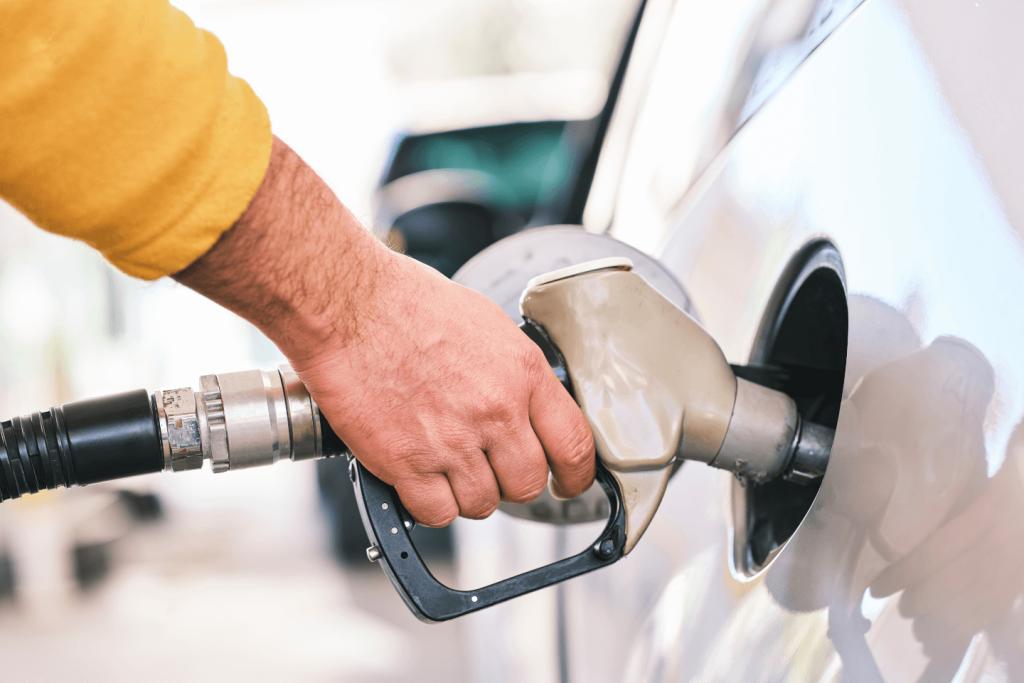
„As from 6 February, it is prohibited to buy, import and deliver petroleum products which originate in Russia, “ said Piret Tinkus, head of the prohibitions and restrictions division of the customs security area at the customs department of the Tax and Customs Board. „The list of prohibited goods also include fuel used for consumption in motor vehicles. It is estimated that today, on the first crossing into Estonia, approximately 80% of passenger cars are accompanied by a 10-litre canister of fuel in addition to the fuel in the car's standard fuel tank."
Pursuant to the legislation, a resident of the European Union has the right to purchase fuel from Russia if it is necessary for completing the trip and returning to the territory of the European Union. According to Tinkus, this means that the passenger, when entering the European Union, has the right to import fuel that is in the vehicle's standard fuel tank and intended for use in the same vehicle. „It is prohibited to bring fuel purchased from Russia in a fuel canister into the European Union, as it is not considered necessary for basic needs, including completion of the trip,“ said Tinkus and pointed out that the prohibition of importing goods in a canister uniformly applies upon entering all Baltic countries and Finland from Russia.
The restrictions (tax exempt limits) provided for in the Alcohol, Tobacco, Fuel and Electricity Excise Duty Act and the Value Added Tax Act on the import of motor fuel in a standard fuel tank still apply, which means that fuel in a standard fuel tank is exempt from tax on the first entry into Estonia. In the case of all subsequent border crossings in the same calendar month, fuel is taxed, unless the passenger informs the customs authorities when travelling from Estonia to Russia that there is fuel in the tank of the vehicle which the passenger wishes to bring back.
Pumping fuel out of the vehicle after crossing the border and handing it over for a fee or free of charge is considered a breach of the sanction. Pumping out is permitted only for the purpose of repairing the vehicle if it is subsequently pumped back into the vehicle.
Example 1
An Estonian citizen travels to Russia by car and refills the car tank and a 10-litre canister at the filling station there. He has not visited Russia in the past six months. When returning from Russia, he is allowed to bring in the fuel in the car tank tax-free. The import of the fuel in the canister is prohibited, regardless of whether it would be exempt from tax or not. The person can return or surrender the prohibited goods. Abandoned goods are subject to destruction.
Example 2
An Estonian citizen travels to Russia by car and refills the tank of the car and a 10-litre canister at the filling station there. She has regularly visited Russia every month (i.e. at least three times in the previous six months) and this is her second visit in the last month. When returning from Russia, she is allowed to bring in the fuel in the car tank, which is taxed at the border crossing point. The import of the fuel in the canister is prohibited, regardless of whether it would be exempt from tax or not. The person can return or surrender the prohibited goods. Abandoned goods are subject to destruction.

