

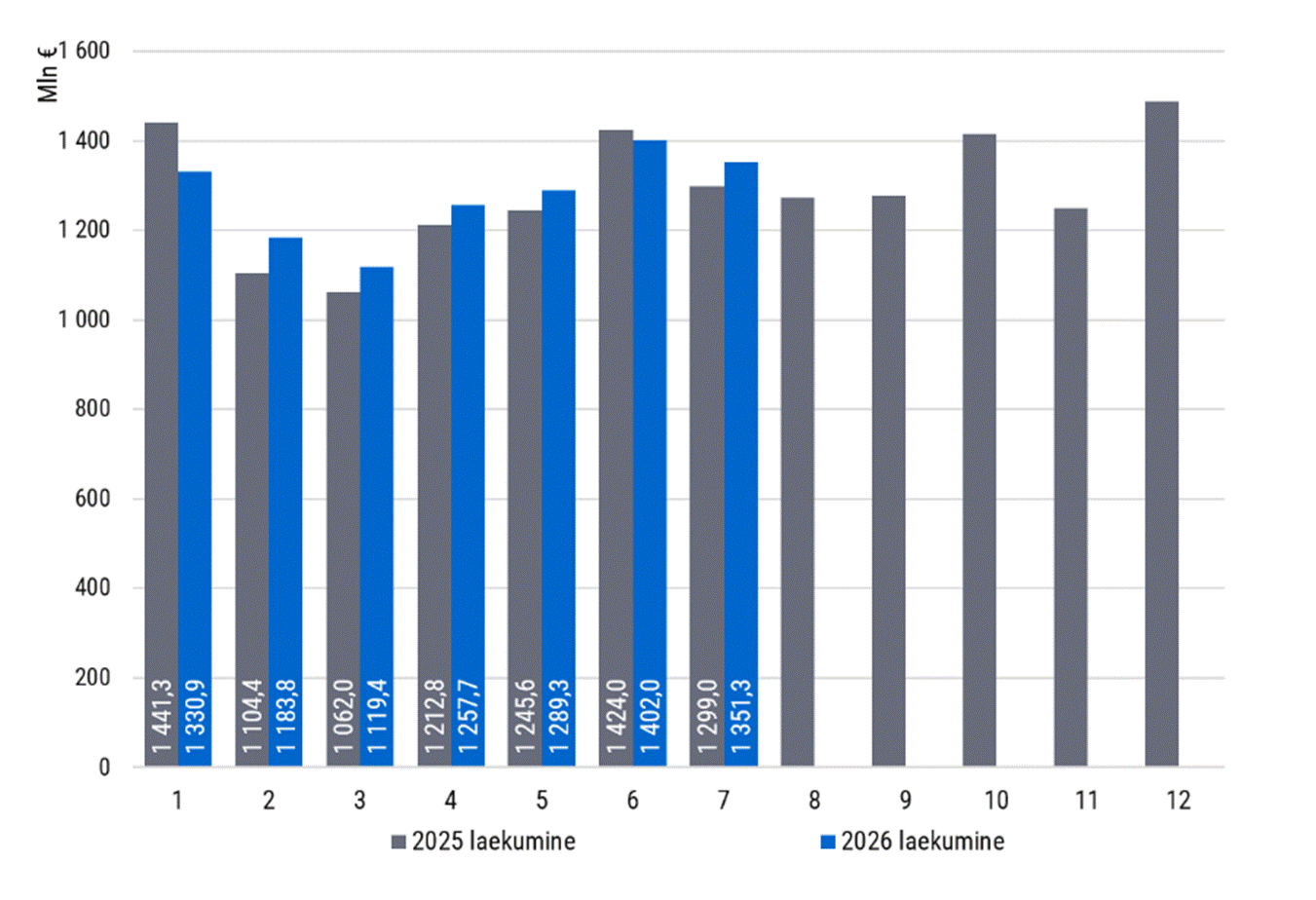
Graph: Tax receipts in the first seven months of 2025 and 2026
VAT receipts in July amounted to over €404 million, which is €52 million more than in July last year. The retail and wholesale trade and construction sectors were the greatest contributors to VAT revenue. VAT receipts in July this year were higher due to the low reference base of last year. This reference base was affected by the increase in the standard VAT rate that took effect on 1 July last year, after which VAT receipts in the following month were lower than usual.
Personal income tax revenue has remained stable over recent months, totalling over €246.5 million in July, which is €24.6 million less than in the same month last year. The lower revenue was influenced by the change in the system for calculating basic exemption at the beginning of the year. The wage fund grew by 5.8% year on year, increasing social tax revenue in July to €460 million – up by €26.6 million from July last year.
Corporate income tax revenue in July amounted to approximately €76 million, which is nearly €11.7 million less than in last year's July. The lower revenue compared with the same period last year is attributable to dividend payments, which were declared in greater amounts in July of last year than in this year’s July. In July this year, the largest amounts of income tax on dividends were declared in the sectors of electronic communications services, computer programming, consultancy, data processing infrastructure and other information-related activities, as well as in wholesale and retail trade and in professional, scientific and technical activities.
Fuel excise duty revenue in July exceeded €50 million, which is over €2 million more than in July of last year. In July, approximately 3.1 million litres of petrol and diesel were released for consumption – 3.1% more than a year earlier. Fuel excise duty revenue has remained stable over the past few months.
Tobacco excise duty revenue in July was €24 million, or about €700,000 more than in July last year. Compared with July last year, approximately 1 million more cigarettes were released for consumption, and excise duty of around €22 million was declared on cigarettes.
Alcohol excise duty revenue in July was approximately €22.9 million – about €1 million more than a year ago. The large-scale stockpiling of spirits and beer that took place at the end of 2025, ahead of the excise duty increase, still affects the quantities released for consumption – in July, 7% less spirits and 2.8% less beer was released for consumption than a year earlier.
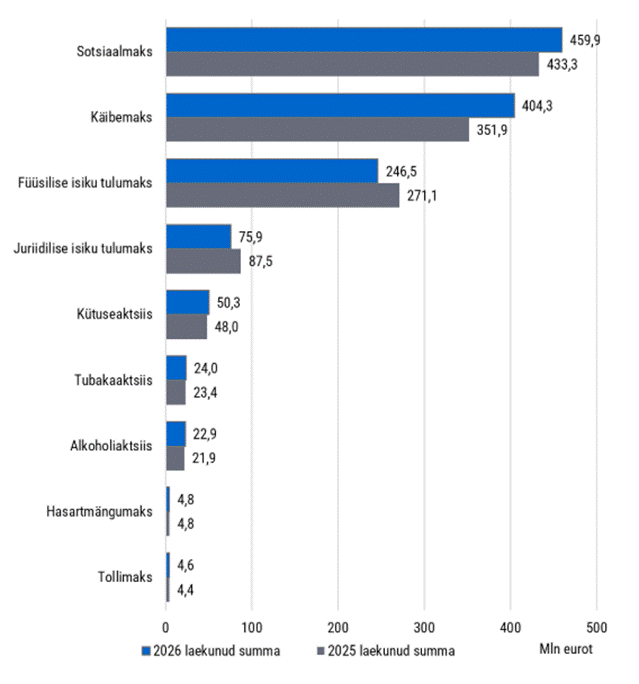
Graph: Tax receipts in July 2026 compared with July 2025 for selected taxes
As at 1 August 2026, total tax arrears amounted to €348.1 million, of which €44.7 million consisted of deferred tax arrears. Tax arrears fell by €3.3 million in July – arrears of natural persons decreased by €2.1 million over the month, while those of legal persons dropped by €1.2 million.
Tax arrears decreased the most due to payments of motor vehicle tax (€1.5 million), social tax (approximately €709,000), and income tax of natural persons (around €599,000). The motor vehicle tax and personal income tax arrears fell mainly among natural persons, whereas the decrease in social tax arrears was primarily related to the tax obligations of legal persons. At the same time, the largest increase was seen in customs duty arrears, which rose by approximately €67,900. Changes in other tax categories were less significant.
Overall tax discipline remains at a good level – nearly 87.6% of all tax obligations due in July were paid on time, and tax discipline improved compared with June. However, compared with July last year, the share of payments made on time is somewhat lower.
In July, the bulk of the tax arrears was again concentrated in the wholesale and retail trade, construction, and manufacturing sectors. Tax arrears in these sectors consistently account for more than half – or approximately 57.5% – of the total arrears. Most of the arrears in these sectors are related to VAT, special income tax, and labour taxes.
At the end of July, there were close to 62,300 persons with tax arrears, which is nearly 16,400 less than at the end of June. The decrease in the number of debtors was observed among both natural and legal persons, but it was particularly pronounced among natural persons. The number of natural persons with tax arrears fell by 14,400 during the month, while the number of legal persons with tax debt decreased by approximately 2,000. The decrease in the number of debtors was mainly due to the settlement of motor vehicle tax liabilities by approximately 15,000 individuals, land tax liabilities by around 2,000 persons, and VAT liabilities by nearly 1,200 individuals. The increase in the number of debtors during the month was primarily due to nearly 200 taxpayers failing to pay the heavy goods vehicle tax.
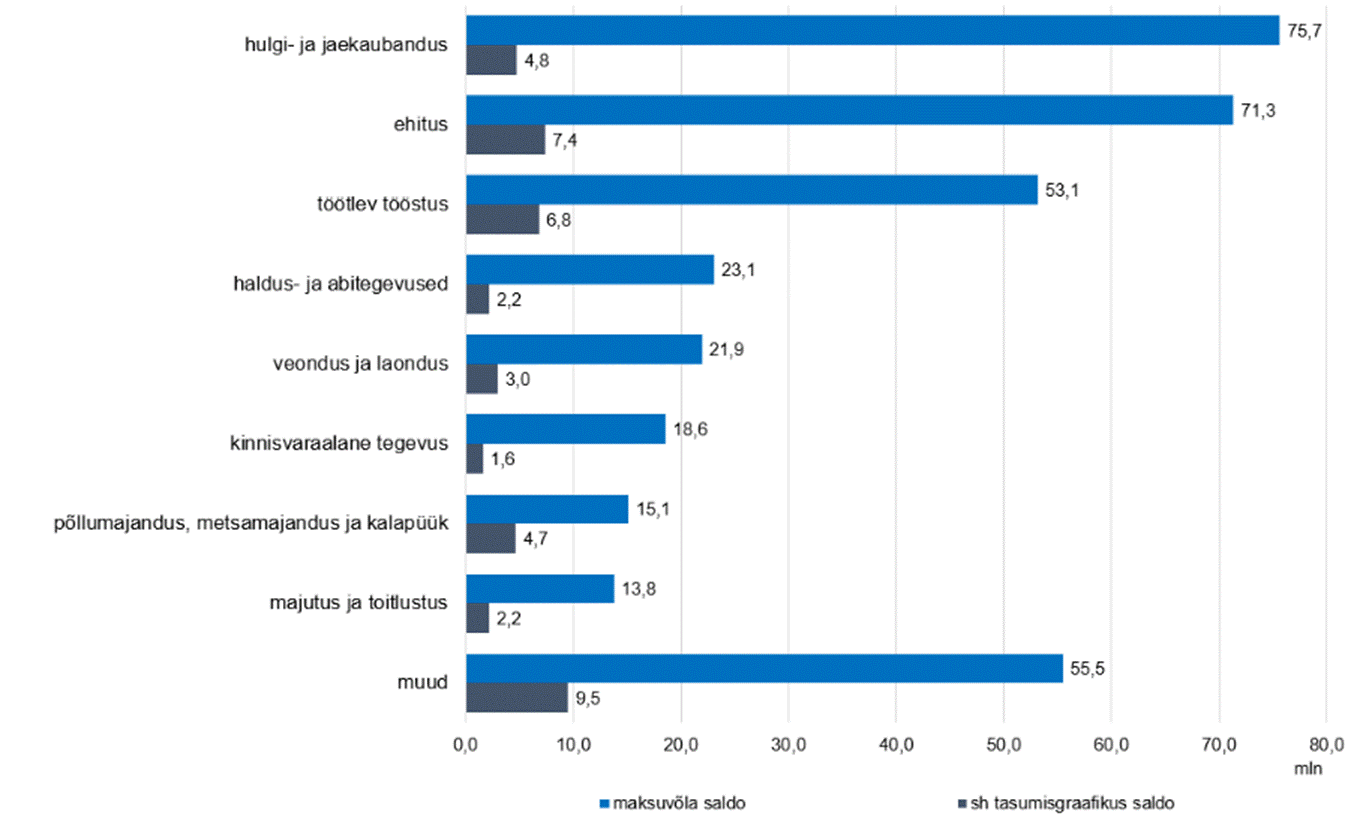
Graph: Tax debt balance by sector as at 1 August 2026
The Tax and Customs Board is available to assist taxpayers with fulfilling and deferring their tax obligations. In case of temporary payment difficulties, the ETCB recommends applying for a deferral of tax debt through the e-MTA e-services environment. When deferring a liability, payments can be made in instalments over a period of 2 to 24 months, but interest will be added.
More information on payment of tax arrears in instalments for private clients and business clients is available on the website of the Tax and Customs Board. Instructions and FAQs can also be accessed by logging into the e-services environment e-MTA and selecting “Payments of tax liabilities in instalments” in the Help center section.
Overview of tax receipts is available on the website of the Tax and Customs Board.

